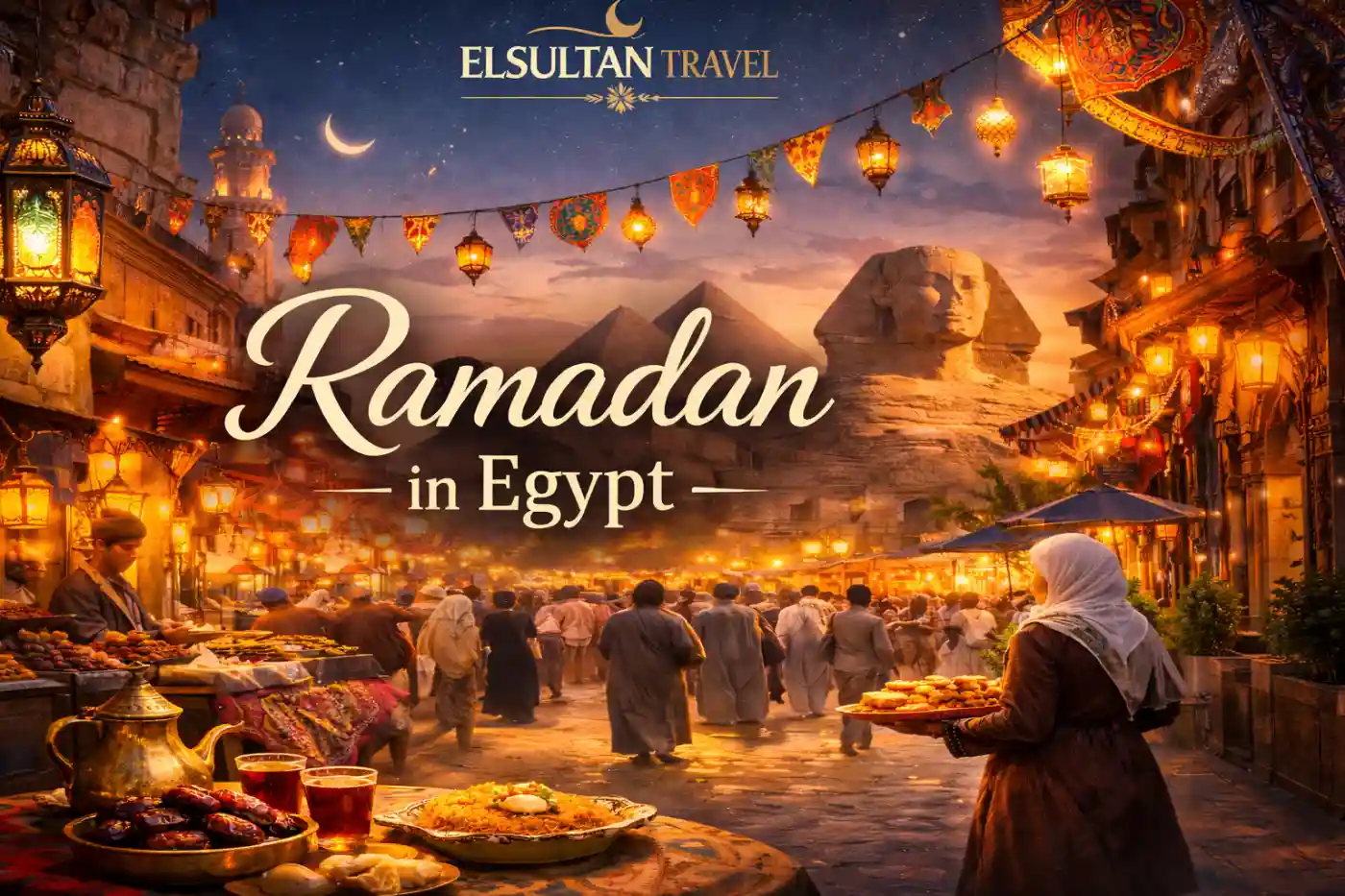
Is Ramadan in Egypt welcoming for travelers, or should you wait? 

Ramadan transforms Egypt into its most authentic self—mosques glow with prayer, streets hum with preparation, and strangers share meals at sunset. For travelers seeking cultural depth over typical sightseeing, this sacred month offers rare access to Egyptian warmth and generosity. You just need to follow the simple rhythm of the days and nights.

What Ramadan Actually Changes About Traveling in Egypt?

The Rhythm Shifts, Not the Welcome

Egypt during Ramadan operates on a different clock. Days grow quieter as people fast from dawn until the call to prayer at sunset. Museums and archaeological sites maintain regular hours, but with lighter crowds. Streets empty in late afternoon as families prepare for Iftar, the meal that breaks the fast.

This shift creates space. The usual rush softens. You’ll find yourself walking through Khan el-Khalili with room to breathe, standing before the Pyramids without the usual large crowds of tourists.

What Closes, What Opens, What Stays the Same

Most restaurants serving tourists remain open during daylight hours, particularly in hotels and major tourist areas. Coffee shops near historical sites adapt their schedules. What you won’t find: casual street food vendors operating at noon, or Egyptians eating publicly before sunset.

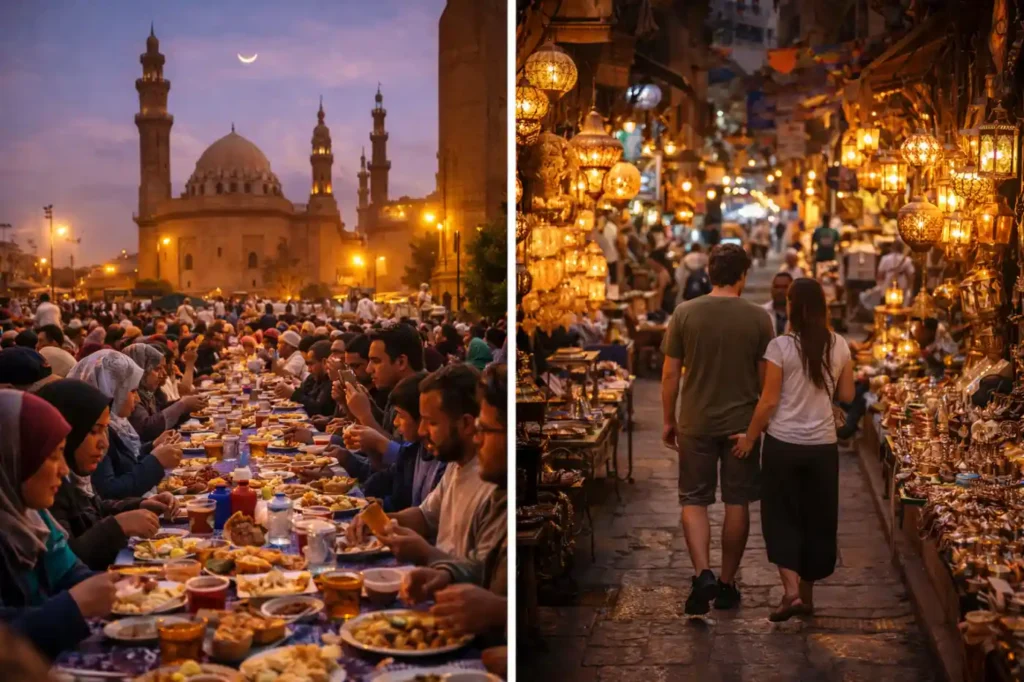
After dark, Egypt awakens. Entire neighborhoods transform into open-air celebrations. Food stalls appear. Families gather. This is when cultural experience deepens beyond what any other month offers.

The Safety Question Travelers Ask

Egypt remains as safe during Ramadan as any other time—often safer. Streets fill with families after Iftar. Police presence continues normally. The atmosphere carries a protective quality; Ramadan emphasizes community care and charitable acts.

What requires adjustment is your schedule, not your security concerns.

The Sensory Experience You Cannot Find Any Other Month

Fanoos Lanterns and the Golden Hour

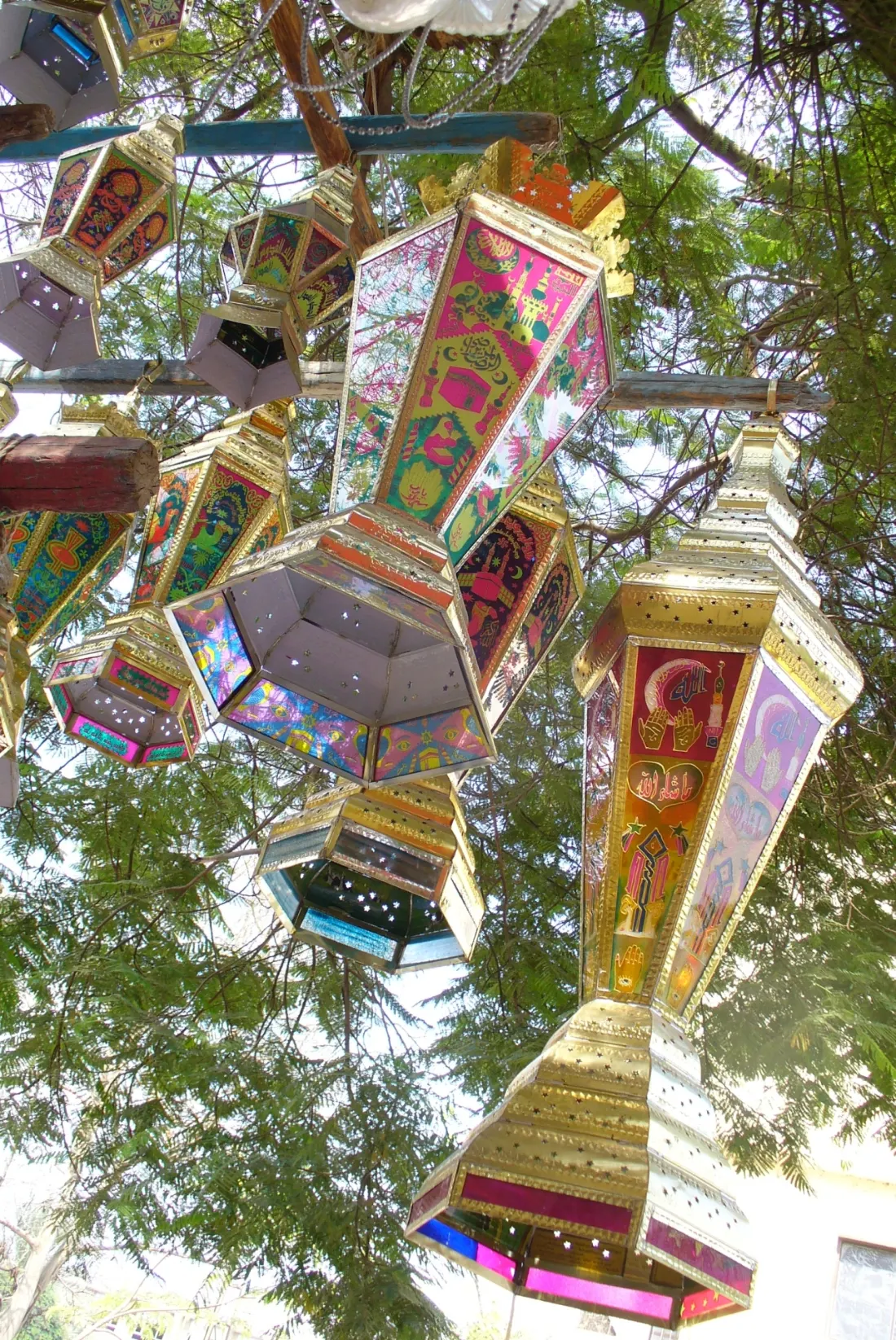
Walk through Islamic Cairo as the sun sets during Ramadan. Brass lanterns called fanoos hang from shop fronts, showing beautiful shapes and lights on the ancient stone walls.These aren’t decorations placed for tourists—they’re traditions marking the holy month, passed down through generations.

The metalwork districts of Khan el-Khalili glow differently now. Artisans craft new lanterns while customers select ones for their homes. The amber light, the smell of spiced tea, the sound of hammers shaping brass—this combination exists only now.

The Iftar Cannon: Cairo’s Daily Thunder

In Cairo and Alexandria, a tradition echoes across centuries: the Iftar cannon fires at sunset, announcing the moment to break fast. The boom rolls across neighborhoods, a shared signal that unites the city in one instant.

Families pause mid-preparation. Children cheer from balconies. The sound means more than timekeeping—it’s collective permission to eat, drink, and gather. You’ll hear it once and understand why Egyptians have preserved this practice for generations. The cannon doesn’t just mark time; it creates a moment of city-wide unity.

The Mesaharaty’s Drum at Dawn

In older Cairo neighborhoods, you might hear drumming before sunrise. The mesaharaty walks through streets, waking residents for suhoor, the pre-dawn meal before fasting begins. His rhythmic beat and sung calls echo between buildings, a practice dating back centuries.

Travelers rarely witness this. It requires staying in traditional areas and waking early. But hearing it once—that ancient rhythm in modern streets—shifts your understanding of how living tradition sounds.

The Iftar Moment Across the City

Sunset prayer echoes from minarets across Cairo, Alexandria, Luxor. Within minutes, the entire country pauses to break fast together. You’ll hear it in the sudden silence, then the gentle clink of glasses, the rustle of dates being shared, the collective exhale of a nation.

Stand on any bridge over the Nile at this moment. Watch boats pause. See families on park benches opening food bags.This moment is natural and real—it’s just how life happens here.

Mawaed Al-Rahman: When Strangers Become Guests

Mawaed Al-Rahman: The Spirit of Giving

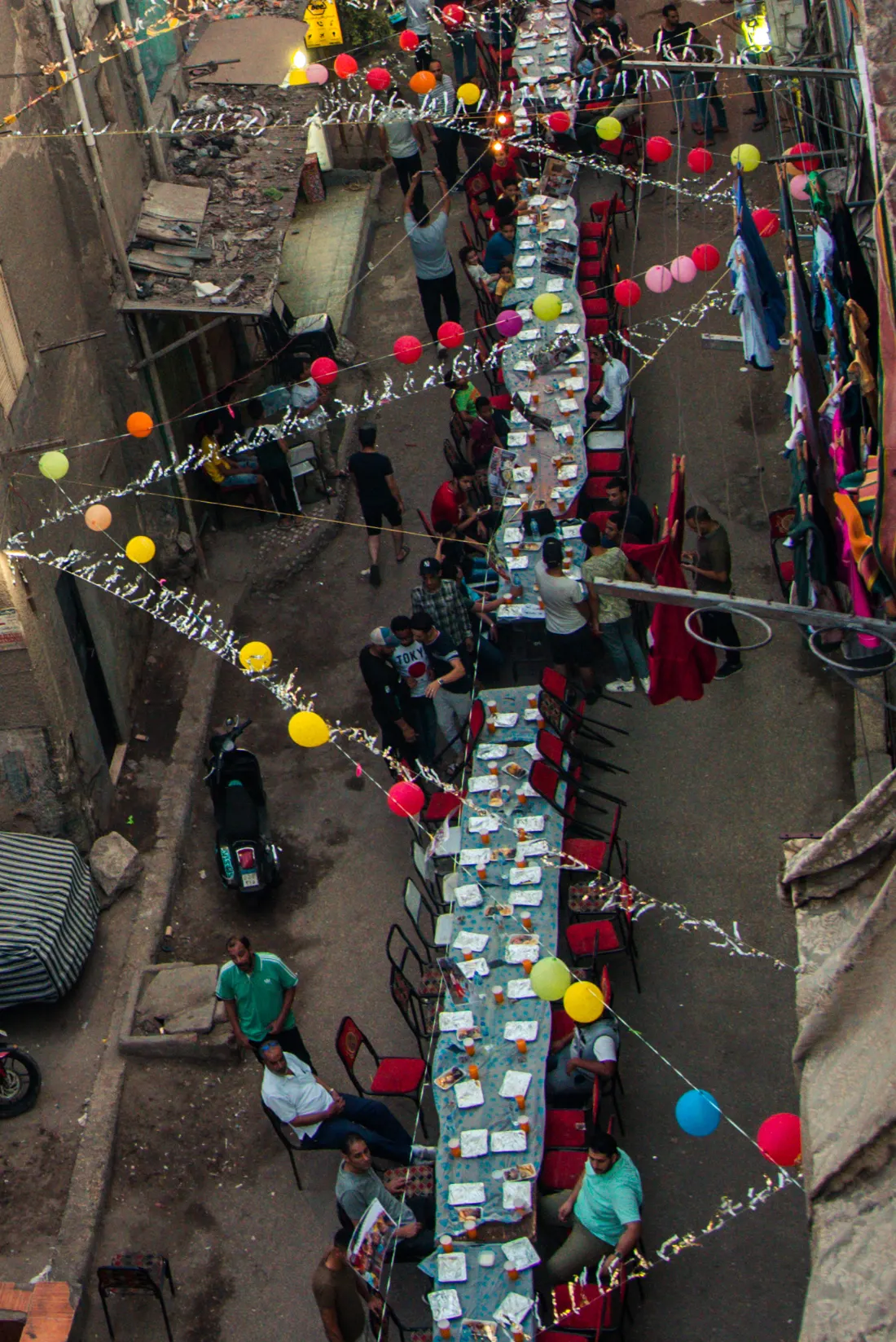
Throughout Ramadan, Egyptians set up long tables in streets, outside mosques, in public squares. These Mawaed al-Rahman offer free Iftar meals to anyone—travelers, workers away from home, people in need, literally anyone who sits down.

No one checks your religion, nationality, or purpose. The hospitality is absolute. Egyptians donate food, money, and time to maintain these tables throughout the month.Observing this kindness reveals the true heart of Egypt, where giving is as important as fasting.

Mawaed-Al-Rahman-during-ramadan-in-egypt

How Travel Programs Adapt to Ramadan’s Rhythm?

Morning Archaeological Visits Become Intimate

Sites like the Pyramids, Luxor temples, and the Valley of the Kings open normally during Ramadan. February and March weather is ideal—mild temperatures and clear skies. Early morning visits (8–10 AM) offer the best light for photography and comfortable conditions for exploring.

 Guides pace tours around Ramadan’s natural rhythm, with planned breaks that match the day’s flow. By late morning, you return to your hotel while Egyptians prepare for the afternoon, giving you time to rest and process what you’ve seen.

Afternoon Becomes Reflection Time

Smart itineraries include afternoon rest. Hotel restaurants serve lunch to guests throughout the day. This quiet time lets you process the morning, rest, or simply relax. 

Some travelers book spa treatments. Others visit air-conditioned museums or galleries. The goal is simple: match Egypt’s natural rhythm instead of fighting it. 

Evenings Transform into Cultural Immersion

After Iftar, Egyptian cities come alive until well past midnight. Families stroll, shops reopen, special Ramadan entertainment fills the streets. This is when cultural programs deepen.

 Sultan Travel’s Ramadan-specific evening experiences include walking tours through illuminated Islamic Cairo, opportunities to join Egyptian families for Iftar, and private felucca rides on the Nile during the cooler night hours. These aren’t typical tourist activities—they’re programs designed exclusively for Ramadan.

Cairo After Dark: The Ramadan Night Scene

Traditional Ramadan Tents and Coffee Houses

After Iftar, Cairo’s historic neighborhoods unveil their evening faces. Traditional khiyam (Ramadan tents) appear in Al-Hussein Square and around the Citadel, serving qahwa (Turkish coffee), sweet tea, and shisha in settings decorated with lanterns and colored fabrics.

These aren’t hotel lounges. They’re gathering places where Egyptian families spend hours talking, laughing, playing backgammon. Visitors who enter respectfully find themselves welcomed into conversations, offered sweets, invited to stay.

El-Fishawy café in Khan el-Khalili, operating since 1773, fills with locals during Ramadan nights. The mirror-lined walls reflect lantern light. Mint tea arrives in ornate glasses. Time slows in ways tourist spots never allow.

Live Music and Traditional Entertainment

Certain squares host evening performances during Ramadan—traditional tanoura spinning dances, storytellers continuing centuries-old oral traditions, musicians playing oud and qanun. These performances aren’t staged for tourists; they’re community entertainment that happens to welcome respectful observers.

The streets around Al-Moez Street come alive with impromptu music sessions. Shop owners play recordings of beloved Ramadan songs. The atmosphere feels celebratory without being forced.

Nile Cruises During Ramadan: A Different Peace

Why the River Feels Different Now

Nile cruises between Luxor and Aswan continue throughout Ramadan, but the atmosphere shifts. Fewer passengers mean more space, quieter decks, slower rhythms. The river feels more peaceful and calm.

Onboard Iftar becomes a moment of collective pause. Passengers from different countries experience breaking fast together while the Nile flows past palm groves and village lights.

Temple Visits Without the Crowds

Edfu Temple, Kom Ombo, Philae—the standard cruise stops become private encounters during Ramadan. You might find yourself alone with your guide in chambers where hieroglyphs cover every surface.

This matters more than it sounds. Egyptian temple architecture was designed for intimate spiritual experience, not group tours. Ramadan accidentally restores something of that original intention.

Evenings on Deck Under Ramadan Lights

Villages along the Nile hang lanterns during Ramadan. From the cruise ship deck at night, you’ll see them—strings of colored lights outlining mosques, the glow from small celebrations on riverbanks, occasional fireworks marking special nights.

The crew shares their Ramadan traditions. Egyptian music plays differently now—specific songs associated with the holy month. The cultural exchange happens naturally, without forcing it.

What Sultan Travel Actually Provides During This Month?

Local Expertise That Understands Both Sides

Planning Ramadan travel to Egypt requires understanding what enhances experience versus what creates frustration. Sultan Travel operates year-round with Egyptian guides who know how to navigate both aspects.

They arrange morning site visits timed to avoid heat buildup, coordinate Iftar experiences with families who genuinely welcome guests, and adjust daily schedules to match the month’s natural rhythm rather than imposing typical tourist pacing.

The Range of Travel Programs Available

Cultural immersion programs focus on Islamic Cairo, family Iftar invitations, and evening walking tours through neighborhoods celebrating Ramadan. These work best for travelers prioritizing human connection over site collection.

Luxury desert experiences pair daytime archaeological visits with sunset camps where Iftar happens under stars, prepared by Bedouin hosts who maintain ancient hospitality traditions.

Combined programs blend Nile cruises with Cairo cultural stays, creating a journey that moves from ancient monuments to living traditions. Each itinerary adapts to Ramadan’s rhythm while protecting the privacy and comfort luxury travelers expect.

Why “One of the Best Local Experts” Matters Now?

Egypt during Ramadan reveals itself to those who understand its codes. Which neighborhoods welcome visitors to their tables? When do specific mosques host events open to respectful observers? How do you time multiple experiences without making travelers tired or disturbing the quiet prayer times.

Sultan Travel’s local knowledge answers these questions through practice, not guesswork. Their guides are Egyptian, raised with Ramadan traditions, fluent in explaining nuance to international visitors.

Who Should Consider Ramadan in Egypt?

The Right Traveler for This Experience

You want real experiences rather than just visiting famous places. You value cultural access over constant activity. You’re comfortable with adjusted schedules and find meaning in understanding daily life beyond tourist zones.

You appreciate when less crowding creates space for contemplation at historical sites. You’re curious about Islamic traditions without needing to practice them yourself.

Practical Realities: What Actually Happens Day by Day

Morning Hours: The Archaeological Window

Sites open around 8 AM. Arrive early. By 9 AM you’re exploring temples or tombs with minimal crowds. Guides explain with time for questions. The heat hasn’t peaked. This three-hour window offers the most productive site visiting.

By 11:30 AM, return to your hotel or move to air-conditioned museums. The Egyptian Museum, Coptic Museum, or site museums at Luxor and Aswan remain fully operational.

Afternoon: The Built-In Rest

Between noon and 4 PM, Egypt pauses. Use this time as locals do—rest, plan, process. Hotel restaurants serve lunch. Rooftop terraces offer views without exertion.

This isn’t wasted time. It’s when you’ll remember morning experiences, review photographs, perhaps write or read. The forced pause often becomes travelers’ favorite part of the daily rhythm.

Sunset to Midnight: The Cultural Heart

From sunset prayer until midnight, Egyptian life concentrates into intense social and cultural activity. Streets fill. Special Ramadan tents serve traditional foods. Shops reopen with extended hours.

Organized evening programs begin after Iftar, around 8 PM. Walking tours, family visits, market explorations, traditional music venues—these reveal Egypt’s living culture better than any museum could.

Frequently Asked Questions

Can non-Muslims fully participate in Ramadan experiences in Egypt?

Yes, Egyptian hospitality during Ramadan extends across all faiths and nationalities. You’re welcomed to join Iftar tables, attend cultural events, and experience the month’s traditions. Egyptians appreciate respectful interest and often explain customs enthusiastically to curious visitors. You’re not required to fast, but courteous discretion when eating during daylight hours is expected.

Do all restaurants close during fasting hours?

No. Hotel restaurants, many tourist-area cafes, and international chains remain open during the day, serving guests regardless of Ramadan. What changes is local Egyptian restaurants and street vendors, which typically close until after Iftar. Your access to food remains consistent; your access to specifically Egyptian street food shifts to evening hours.

Is it safe to travel solo during Ramadan in Egypt?

Yes, Egypt maintains its standard safety for solo travelers during Ramadan, often with enhanced security around gathering places. The holy month emphasizes community protection and charitable behavior. Solo female travelers find Egyptian hospitality particularly protective during this period. Evening hours when families fill streets actually increase ambient safety through sheer numbers and collective watchfulness.

How do Nile cruises handle Iftar and evening programs?

Cruise ships maintain full meal service for guests, offering special Iftar buffets at sunset that blend Egyptian traditions with international options. Shore excursions adjust timing to cooler morning hours and post-Iftar evenings. Onboard entertainment incorporates Ramadan-specific Egyptian music and cultural presentations. The experience becomes more culturally immersive while maintaining luxury cruise comfort.

What should I pack differently for Ramadan travel?

Pack modest clothing as you would for any Egypt trip—lightweight fabrics covering shoulders and knees. Add something elegant for special Iftar invitations if joining family experiences. Bring a small bag for daytime water and snacks. Consider a light scarf for mosque visits. 

When during Ramadan offers the best experience?

The middle weeks balance a spiritual atmosphere with manageable crowds. The final ten days intensify religious devotion, creating powerful energy but less tourist-focused accessibility. The nights after the 27th—when Muslims commemorate Laylat al-Qadr—offer the most intense cultural experience. Sultan Travel can advise on timing based on your specific interests and the Islamic calendar year.

Ready to experience Egypt when its culture reveals itself most openly? Sultan Travel designs Ramadan journeys that honor both the sacred month and your comfort as a guest. Our local expertise ensures you witness authentic traditions without intrusion, from family Iftar and suhoor invitations to peaceful Nile cruises under lantern-lit skies.

 Contact us to craft your culturally immersive Egyptian Ramadan experience.